Treatments that go beyond traditional aesthetic methods and harness the body’s self-healing power are revolutionizing dermatology. PRP (Platelet Rich Plasma) and Mesotherapy are two minimally invasive, effective methods applied to rejuvenate, revitalize, and strengthen the skin and hair follicles.
So, what exactly are these two treatments, how are they applied, and what problems do they solve? Let’s take a closer look at these popular cellular regeneration techniques under the guidance of Uzm. Dr. Aida Berenjian.
1. PRP (Platelet Rich Plasma): Rejuvenate with Your Own Blood
PRP stands for “Platelet Rich Plasma.” The basic philosophy of this treatment is to concentrate the healing and growth factors in a person’s own blood and return them to the problematic area.
How Does PRP Work?
- Blood Collection: Before the application, a small amount of blood is taken from the patient (just like a blood test).
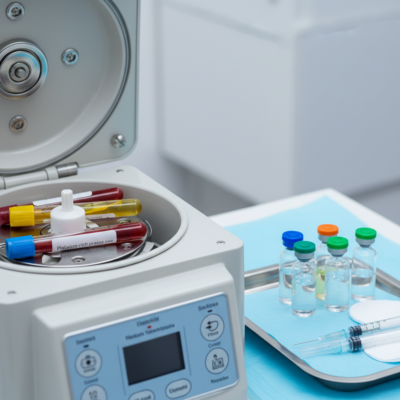
- Centrifugation: The collected blood is processed in a special device (centrifuge). This process separates the blood from its red cells and allows the plasma, where platelets are concentrated, to be obtained.
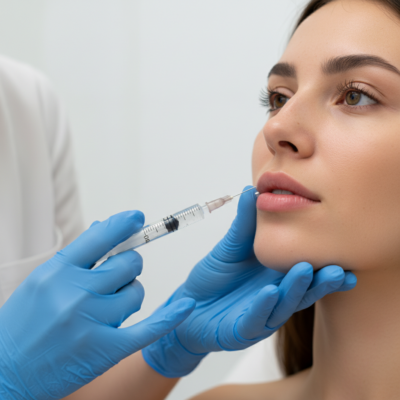
- Application: This growth factor-rich plasma is injected into the application area (face, neck, hand, or scalp) using fine needles.
Main Uses of PRP
- Skin Rejuvenation: It triggers collagen production, reducing fine lines, wrinkles, and loss of elasticity in the skin.
- Acne and Scarring: It lightens the appearance of scars by increasing the skin’s ability to repair itself.
- Hair Treatment: It nourishes the hair follicles, slowing down hair loss, strengthening weakened hair, and supporting new hair growth.
2. Mesotherapy: Vitamin, Mineral, and Amino Acid Support
Mesotherapy is the process of injecting active ingredients beneficial for the skin, such as vitamins, minerals, amino acids, and hyaluronic acid, into the middle layer (mesoderm) of the skin or scalp via micro-needles.
Why Mesotherapy?
Creams and serums applied to the skin cannot always reach the deepest layers of the skin. Mesotherapy ensures that the necessary nutrients are delivered directly to the target, providing fast and effective results.
Types and Benefits of Mesotherapy
- Skin Mesotherapy (Mezolift): Provides intense moisture and antioxidants to the skin. It evens out skin tone, eliminates dryness, and gives the skin a glow.
- Hair Mesotherapy: By delivering the vitamins and minerals that hair follicles need directly to the roots, it helps to stop hair loss and thickens hair strands.
- Regional Thinning Mesotherapy: Special mixtures that accelerate fat burning play a supportive role in reducing regional fat accumulation.
PRP or Mesotherapy? How to Decide?
To make the right decision, Uzm. Dr. Aida Berenjian thoroughly analyzes the current condition of your skin or scalp.
| Criterion | PRP (Platelet Rich Plasma) | Mesotherapy |
| Content | Growth factors obtained from the patient’s own blood. | Vitamin, mineral, hyaluronic acid cocktails provided from the outside. |
| Basic Effect | Cellular repair and regeneration. | Intense nourishment and hydration. |
| Ideal Candidate | Those with hair loss, deep scars, and loss of elasticity. | Those experiencing dullness, dehydration, and lifelessness in their skin. |
| Combination | Often applied together to create a synergistic effect. | Offers numerous cocktail options for different skin needs. |
Factors That Increase the Effectiveness of Treatments
The success of such biological treatments depends on the patient’s lifestyle in addition to regular sessions:
- Adequate Water Consumption: Water is essential for the functioning of hyaluronic acid and collagen in the skin.
- Healthy Eating: A diet rich in vitamins and minerals, away from processed foods, is important.
- Sun Protection: Avoiding the harmful effects of the sun after skin renewal procedures prevents the formation of blemishes.
PRP and Mesotherapy require special protocols prepared according to the patient’s needs. The sterilization of the kits used in the treatment and the content of the injected mixture are vital for the success and safety of the results. Therefore, the applications must be carried out under the supervision of a Dermatology Specialist.